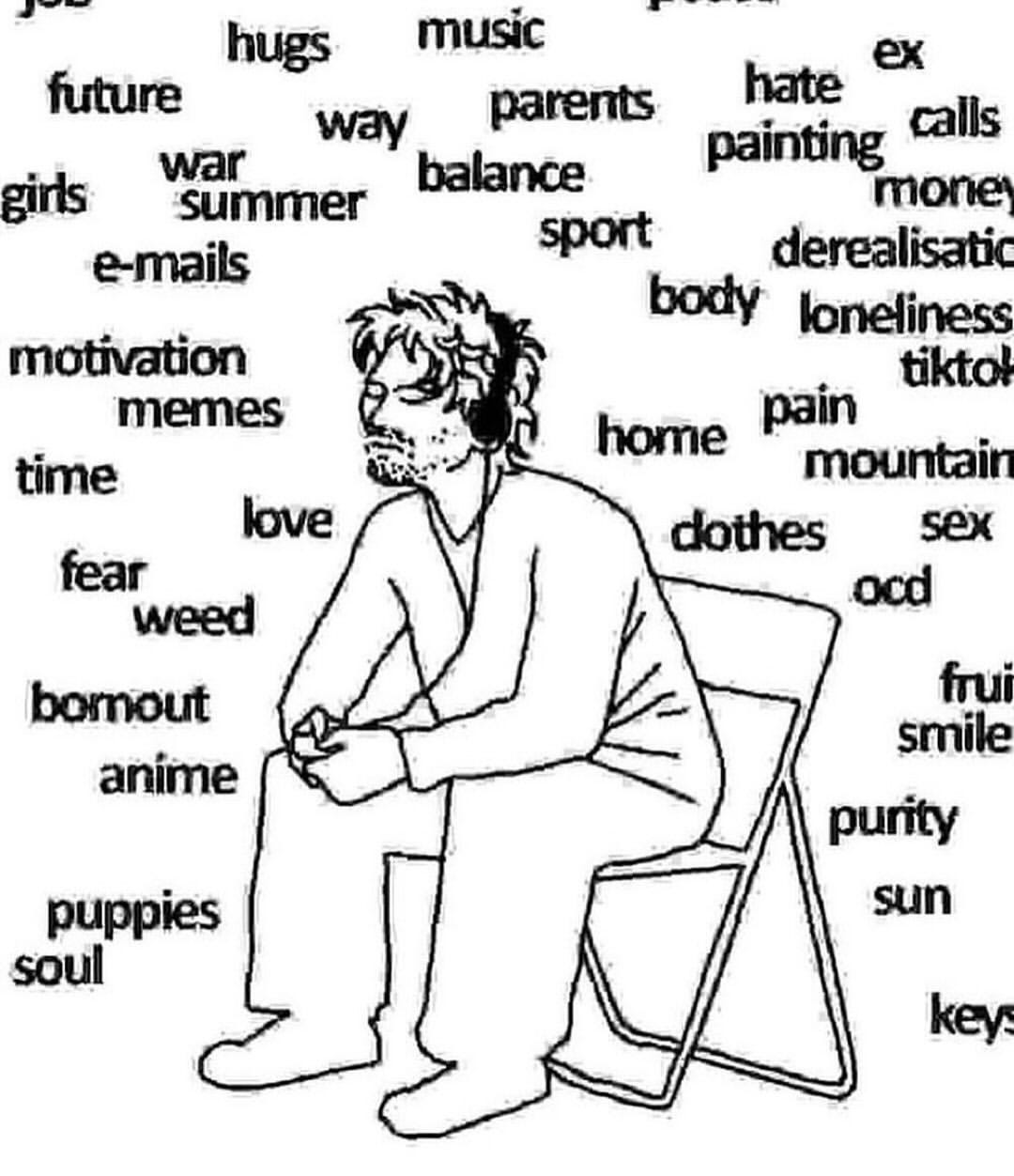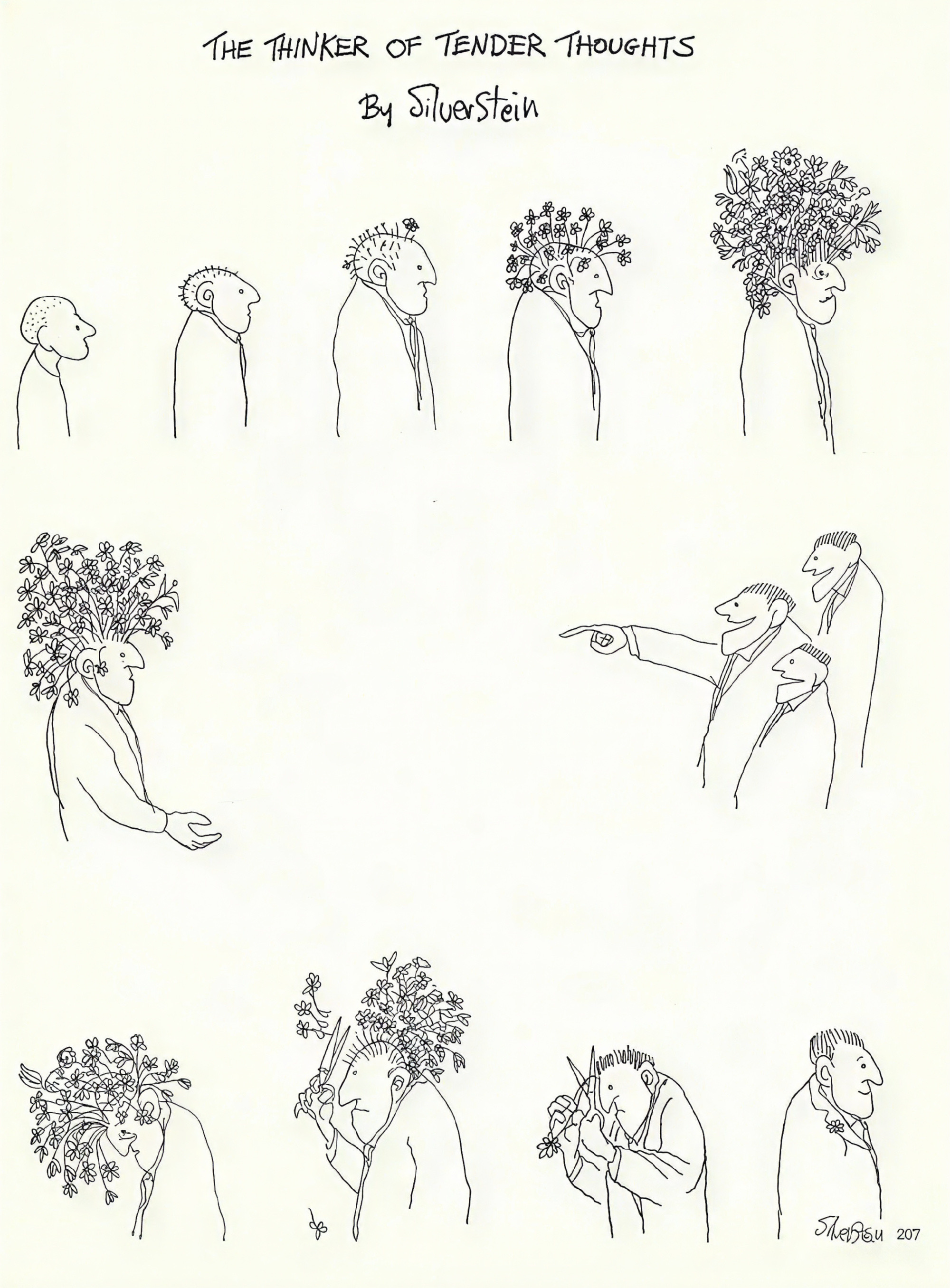
I grew up on Sark, an island three miles long and one and a half miles wide, with a population of only a few hundred people and no cars. It is a beautiful place, but it is also the kind of place where the limits of geography are impossible to ignore. If you were interested in something no one around you cared about, there was no obvious place to take that interest. But, there was the internet.
From its beginning, the internet offered a simple but radical proposition: the people near you did not have to be the people most like you. Whether or not anyone in your town, city, island or mountain understood what you were drawn to, somebody online probably did. You only had to find them.
In the early 2000s, that search often ended on a forum. NikeTalk, founded in 1999, began with sneakers but expanded into music, sports, video games and everything orbiting them. Superfuture and Styleforum turned clothing into a field of close study. On Hypebeast’s forums and BapeTalk, users traded release information, authentication advice, fit pictures and photographs from shops most of them would never visit. These were not polished publications. They were messy, obsessive and alive.
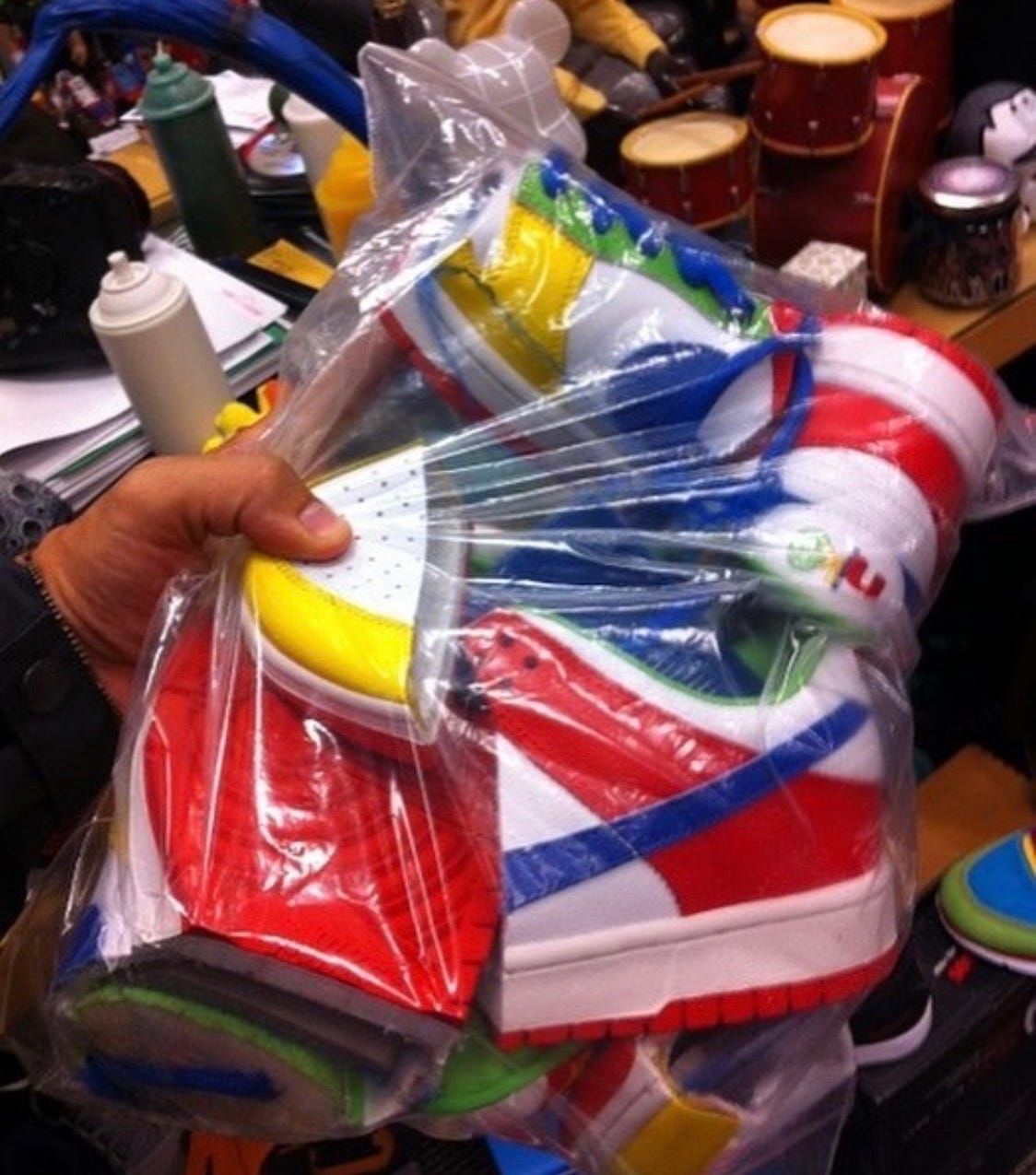
Their great advantage was that almost nobody arrived as a fully formed public person. You entered under a username. Your avatar, post count and knowledge established who you were. A teenager far from New York, London or Tokyo could know more about a particular Japanese label than someone working in fashion. If the information was useful, it traveled. Geography and conventional credentials briefly mattered less than curiosity.
The forums did more than tell people what to buy. They taught people how to see. A thread about a BAPE shark hoodie could become a lesson in Japanese retail, counterfeit production, colorways and scarcity. A discussion about raw denim could run for hundreds of pages as strangers documented how fabric changed through daily wear. The level of attention could be excessive, but excess was part of the education. Taste was formed collectively, one argument and image upload at a time.
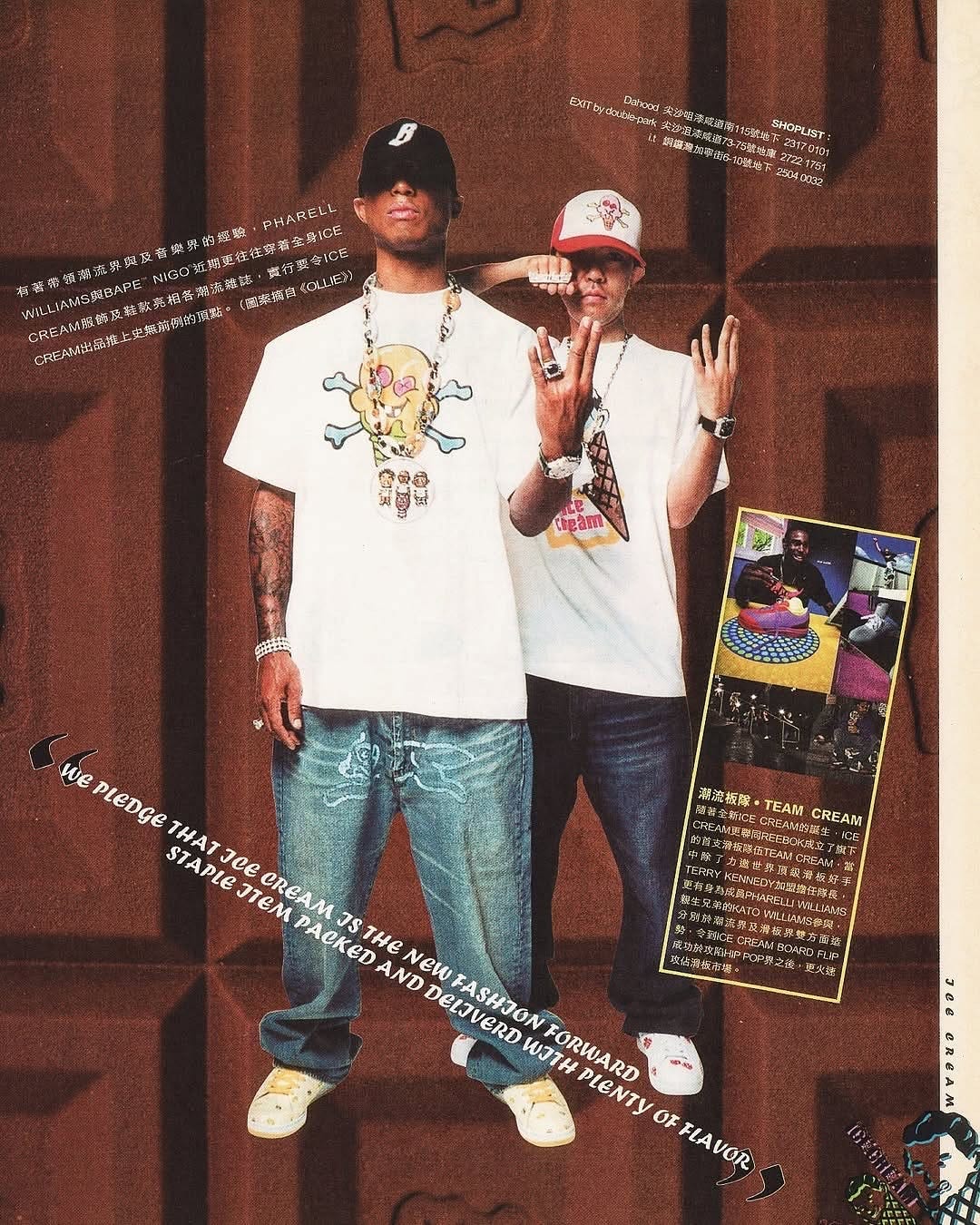
Blogs gave that collective knowledge an editorial shape. Hypebeast began in 2005 as Kevin Ma’s sneaker blog, created because the information he wanted was scattered and difficult to find. Highsnobiety started the same year. In music, NahRight, 2DopeBoyz, The Fader, OnSmash, MissInfo and later Hypetrak created a distribution network that existed outside radio and print. They posted songs, mixtapes, videos and fragments of news at internet speed, allowing artists to build an audience before older institutions decided whether they mattered.
For a generation of listeners, the blog roll was a map of culture. One link led to another. Download folders became personal archives. A producer credit, a photograph or an obscure sample could send someone down a path that lasted for years. These sites did not simply report on a scene after it had formed. They helped form it.
They also changed the role of the fan. On a forum, a fan could become a trusted source. With a blog, that person could become an editor. With enough consistency, the editor could become an institution. The distance between audience and authority narrowed.
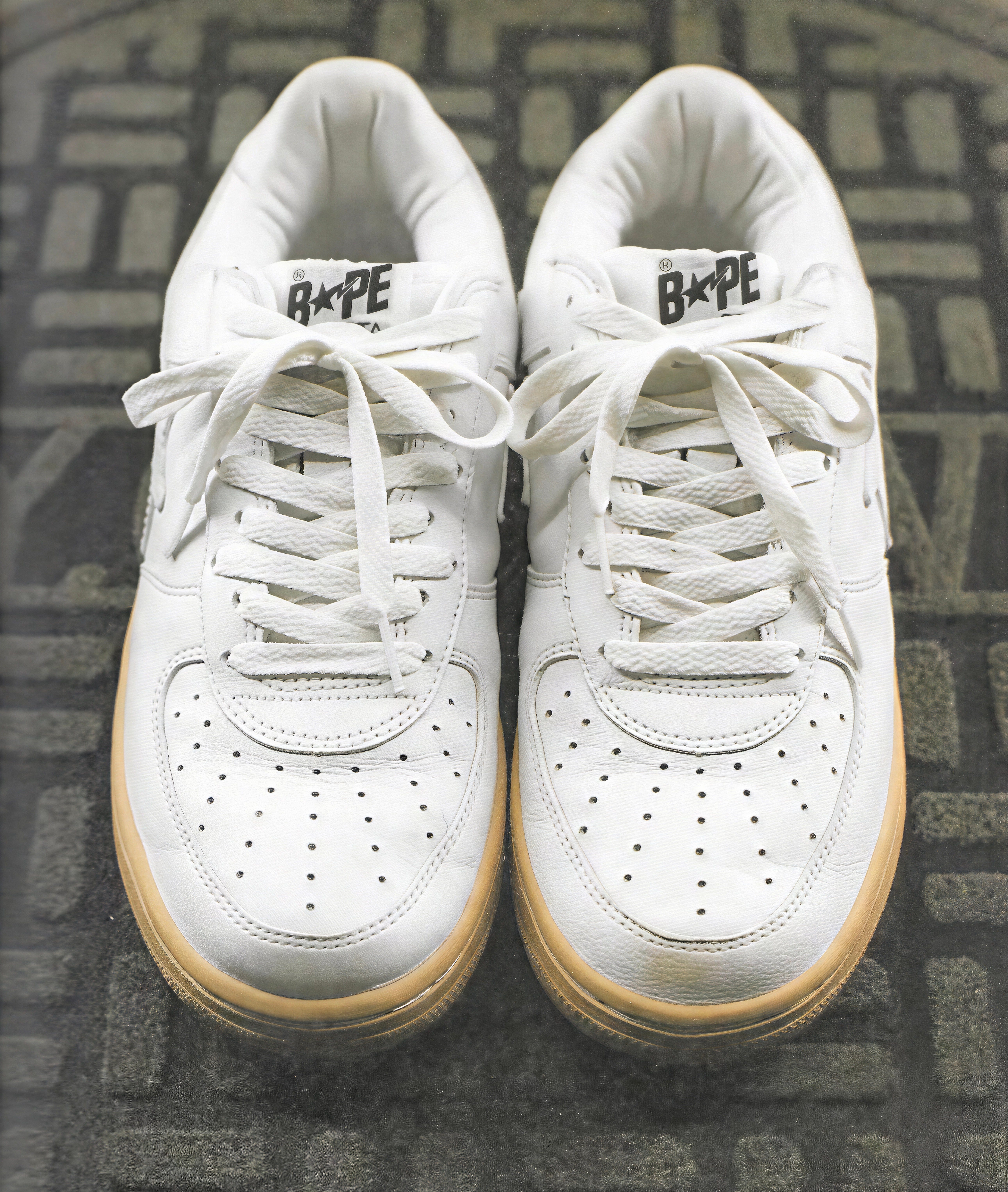
The social platforms that followed made publishing easier and discovery faster, but they reorganized this culture. Tumblr turned the blog into an endless visual stream. Instagram compressed it further: one account, one grid, one sensibility. The long forum thread and the crowded blog roll gave way to the archive page.
The phrase “archive page” can be misleading. It suggests passive storage, as if these accounts simply retrieve old images and place them back into circulation. The better pages do something more deliberate. They connect fashion, music, film, art, design, sport, nature and internet ephemera until the relationship between those subjects becomes its own point of view. The sequence is the argument.
When I began HIDDEN.NY, I was drawing from a personal archive of tens of thousands of images I had collected over many years. I placed rare sneakers beside animation stills, old photographs of musicians, industrial design, animals, architecture and jokes. Each post existed on its own, but together they created a world that reflected the way I saw culture. Without showing my face, the page became a complete expression of my interests.
I never thought of HIDDEN as a traditional archive. The intention was not simply to recover old images and place them back into circulation. It was about connecting things that might initially appear unrelated and allowing those connections to form a distinct point of view. The sequence became the argument. Over time, people could recognize a HIDDEN post before seeing the username.
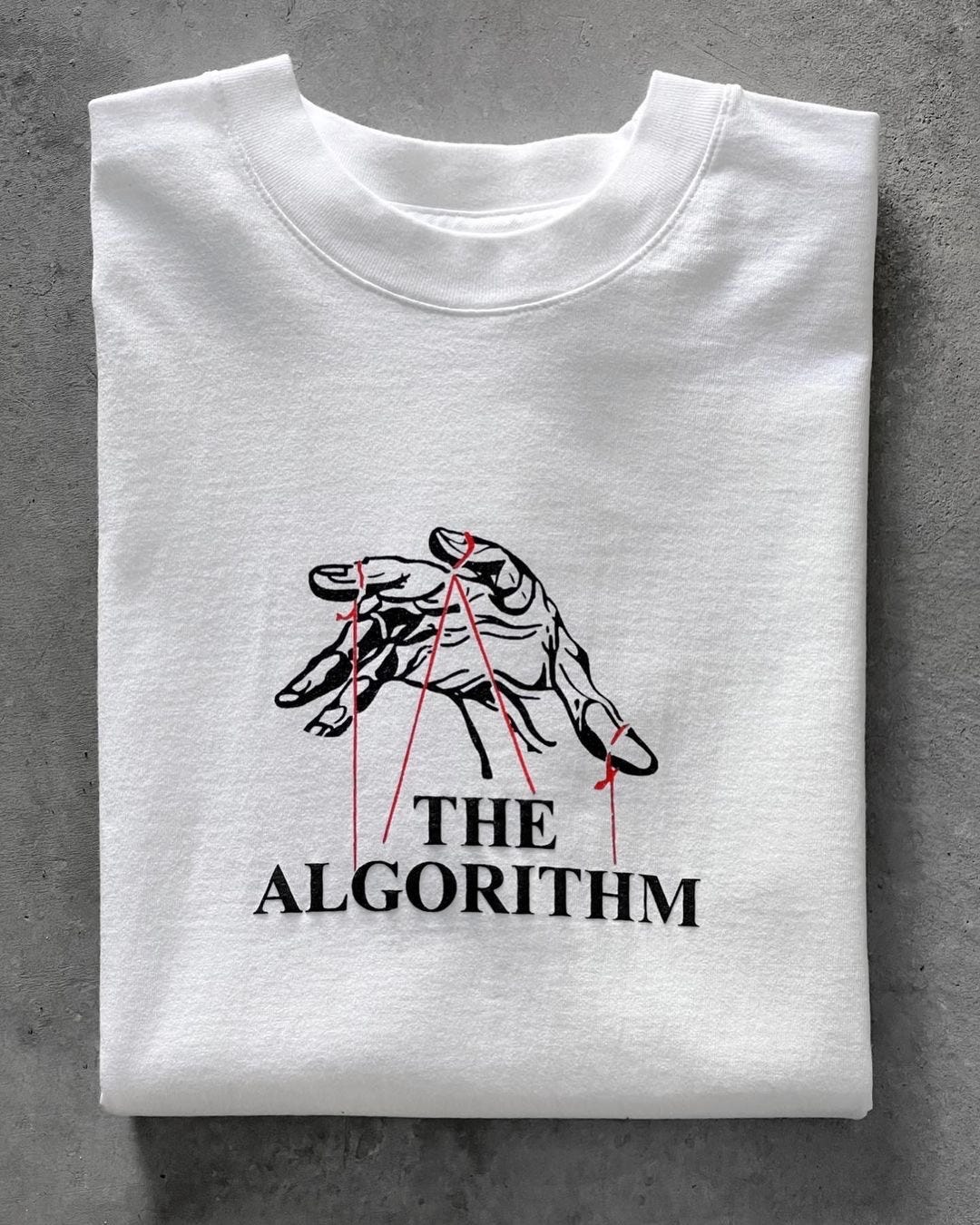
The model spread and developed in different directions. Aplasticplant built an optimistic community from contemporary culture, nostalgia and personal inspiration, eventually extending the page into clothing, collaborations and physical gatherings. Its founder has spoken about HIDDEN.NY and LilJupiter as early influences, and about anonymity as a way of keeping the project from becoming centered on him. Ihategum developed another distinct language from fashion, film, Japanese culture, old rap footage, games and the overlooked images that make up a generation’s visual memory.
These pages naturally overlap, just as the old forums and blogs did, but the best of them remain recognizable before you see the username. That recognition is important. An anonymous page is not without identity. It simply relocates identity from the face to the work.
This runs against the dominant logic of contemporary social media, which asks creators to make themselves the product. Show your face. Tell your story. Turn daily life into content. Build trust through constant access. Under that system, even a private moment can begin to feel like unused material.
Anonymity offers another path. A person can make a complete portfolio of their interests without making a performance of their life. They can be judged first by the connections they make, the things they notice and the consistency of their choices. For someone who does not live in a cultural capital, does not know the right people or does not naturally want attention, that freedom can be life-changing.
Behind a username, you can begin before you feel qualified. You can experiment without asking your hometown to understand. You can be serious about something before there is evidence that taking it seriously will lead anywhere. The page becomes a provisional room in which a sensibility can develop.
This does not mean anonymity removes the self. In many cases it reveals it more clearly. A face tells an audience who is speaking; an archive shows what the speaker has spent years noticing. Every selection leaves a trace. Over time, the repetitions become biography: a particular era of rap, a recurring shade of green, an affection for a film still or an engineered object, a belief that a cartoon and a runway collection can belong in the same conversation.
The anonymous curator may appear absent, but is present everywhere.
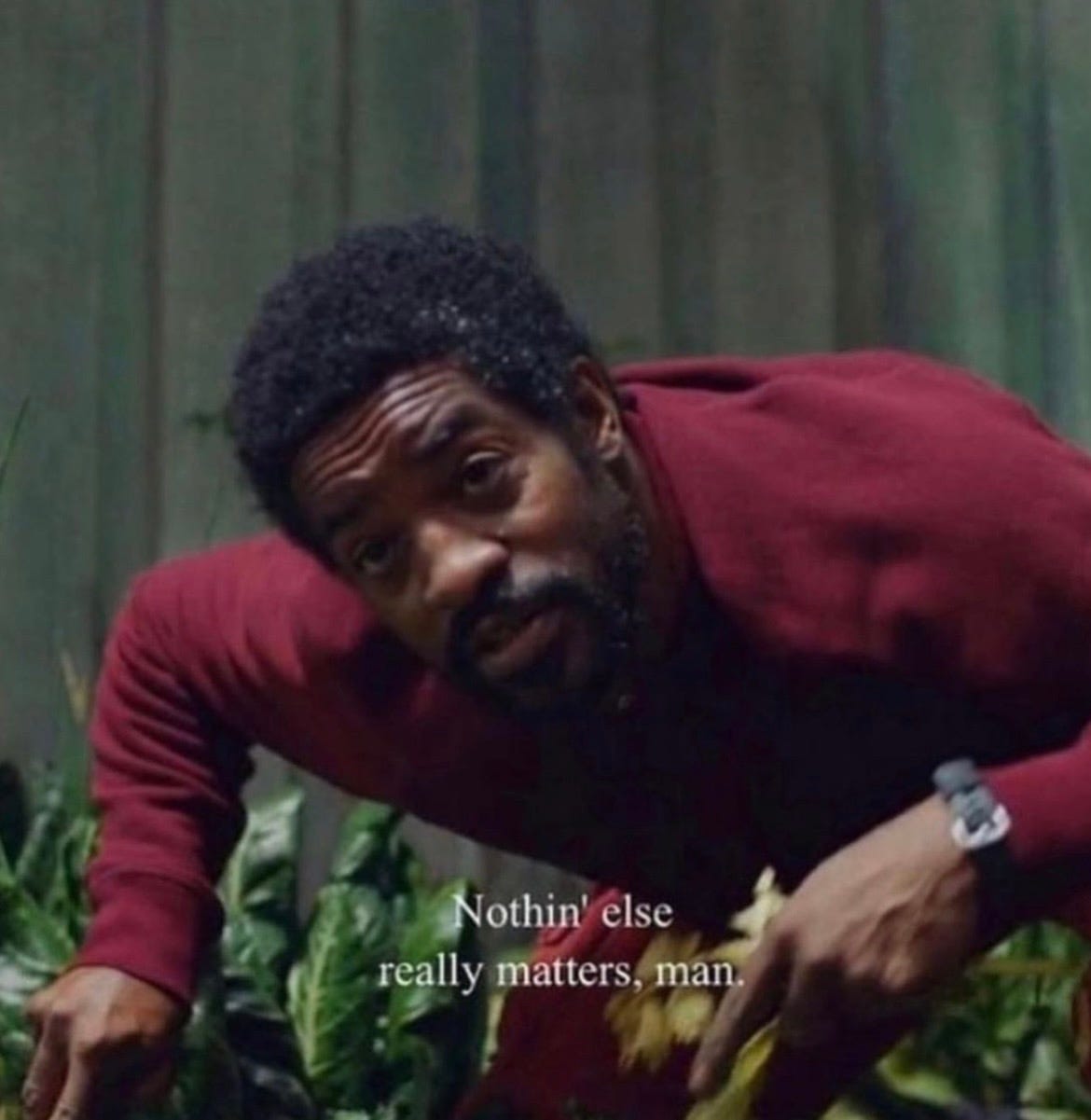
There is also a useful equality to the format. When a page is not organized around a visible individual, followers can more easily project themselves into it. The account becomes a meeting place instead of a stage. People arrive for an image, stay for a sensibility and eventually recognize one another in the comments. A community forms around shared attention.
The opportunity carries responsibilities. Anonymity can protect honesty, but it can also shield carelessness. Archive pages work with other people’s photographs, research and ideas; credit cannot be optional. A hidden identity should not mean hidden standards. As these pages become businesses, publishers and brands, their obligations become greater, not smaller. The freedom to speak without showing your face still requires accuracy, attribution and accountability.
Nor is the older internet worth romanticizing completely. Forums could be hostile and exclusionary. Knowledge was often guarded as a test of belonging. The same usernames that allowed shy or isolated people to speak freely also allowed others to behave without consequence. Anonymity is a tool, not a moral quality. It can remove status and ego, or it can remove restraint.
What matters is what the freedom is used to build.
The lineage from forums to blogs to archive pages is not perfectly clean, but the central impulse has survived each technological shift. People gather around an interest. A few of them begin organizing what the group knows. Their usernames acquire meaning. Their selections shape taste. Eventually, institutions follow the audience they have assembled. Hypebeast and Highsnobiety grew from blogs into global media and retail businesses. Today’s archive pages have become clothing labels, creative studios, publishers and collaborators in their own right.
This is sometimes described as the democratization of media, a phrase so familiar that it has lost some of its force. What it means in practice is that a person can start with no office, no masthead, no press credentials and no public identity, only a point of view maintained with enough care that other people begin to trust it.
That trust is the real asset. Followers do not return only for information. They return because somebody has filtered the abundance of the internet into a world that feels coherent. In an era when almost everything is available and almost nothing is manageable, selection has become a creative act.
The internet once promised that anyone could be anyone. The more meaningful opportunity may be that you can become something before anyone knows who you are.
Anonymity gives an idea time to grow larger than the person behind it. It lets people separated by geography recognize one another through taste. It permits the quiet accumulation of work until a username becomes a body of knowledge, then a community, then a door.
You do not have to show your face to show who you are.