

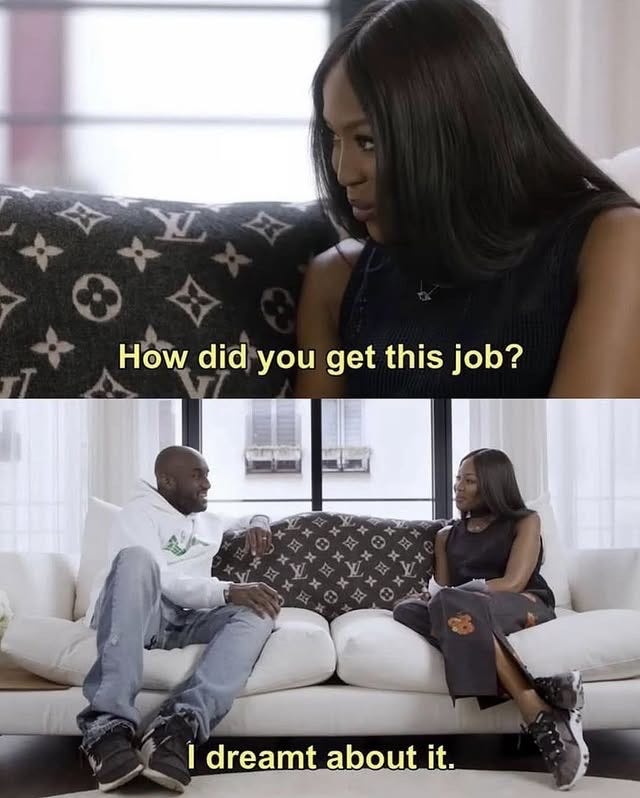
Today is Virgil Abloh’s birthday, he would have turned 46. Virgil grew up in Rockford, Illinois, the son of Ghanaian immigrants. He studied civil engineering and then architecture, though neither discipline contained everything he wanted to do or restricted him from doing more. In Chicago, his design work reached a screen printing shop called Custom Kings. Through the people there, he met Don C and eventually began working with Kanye West.
West hired Virgil in 2007, years before anyone knew his name. In 2009, the two went to Rome to intern at Fendi. Virgil later became creative director of DONDA, West’s creative company, where the work extended well beyond album covers. A record could require artwork, a stage, a film, merchandise and an entire visual world. Virgil helped move ideas between those forms, working alongside a group of designers whose contributions are easy to lose when the finished project is reduced to a single famous name.
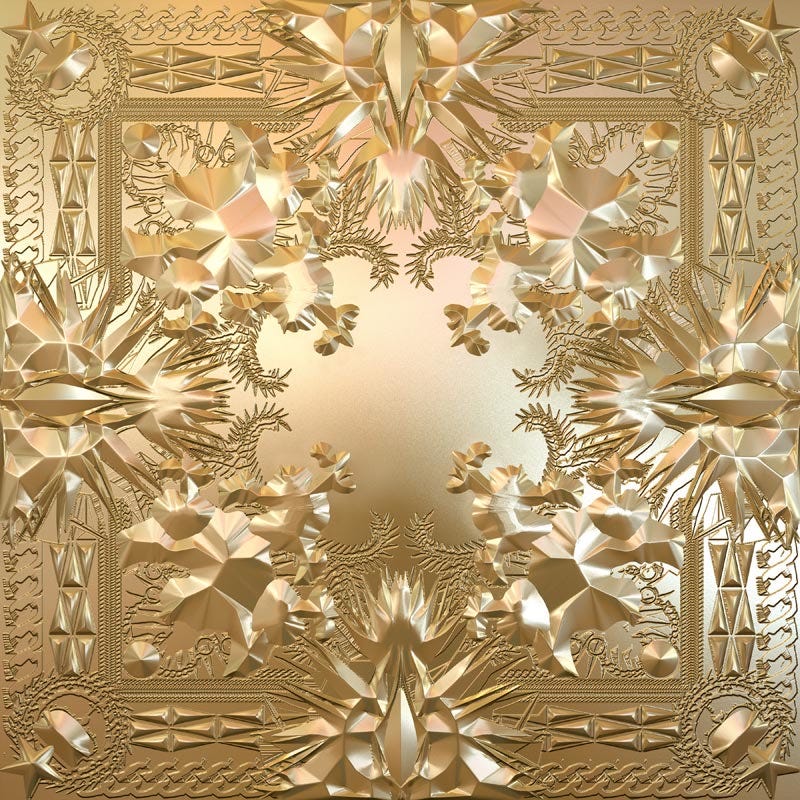
On Watch the Throne, he worked with West and stage designer Es Devlin as the tour’s visual language took shape. He and Riccardo Tisci were nominated for a Grammy for the album’s packaging. He was credited as creative director on G.O.O.D. Music’s Cruel Summer and worked on the art direction of Yeezus. DONDA’s output also reached records by artists including 2 Chainz, Pusha T and Lil Wayne. The role gave Virgil a way to work across music and design at a scale few young designers could have imagined. It also put him among people who were learning to treat an album as more than something you listened to.
I first knowingly encountered Virgil’s career through Pyrex Vision. The clothes combined things that weren’t supposed to sit so easily together: Champion sportswear, Caravaggio’s The Entombment of Christ, Michael Jordan’s 23 and the visual language of rap. Some of the pieces were made by printing over existing garments. That fact generated plenty of criticism, but it was also part of what made Pyrex so interesting to me. Virgil had taken materials I recognized and changed their meaning.
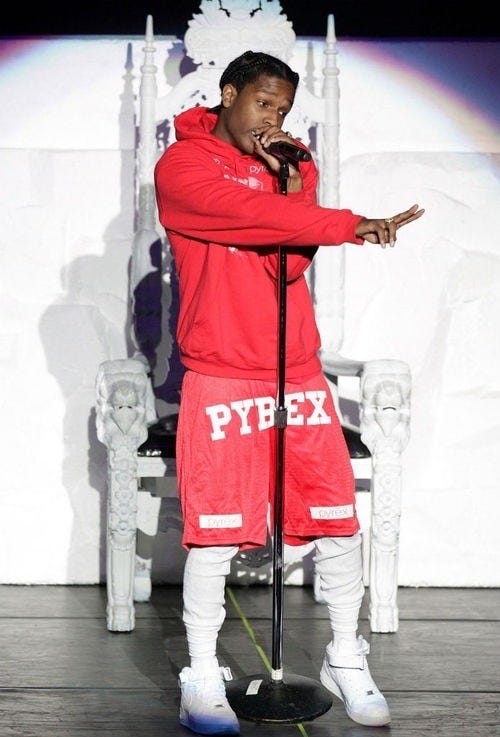
At the time, I was studying BTEC art in England. At 16, I’d been able to leave my other subjects behind and spend my school days making things, which felt like an extraordinary privilege. My classmate Ding Yun Zhang, who has since become a designer himself, and I were obsessed with A$AP Rocky. We wore Air Force 1 Mids and even made alligator leather vests inspired by something we’d seen him wear. Pyrex felt like the most exciting thing in that world.
I couldn’t work out how to buy it, and even if I had, I couldn’t afford it. What I could buy was a Champion hoodie. I printed Caravaggio on the front and PYREX 23 on the back. Then I made another. I saw what the real hoodies were selling for on eBay and made a few more.
I was faking Virgil’s work and selling it. It would be dishonest to dress that up as something else. But the experience taught me a lot about making a product and selling it. Those hoodies gave me money I had never had before, and I began using it to go places. I took a trip to Amsterdam that I barely remember. After school, I moved to London. I made T-shirts and sold them, met people, studied fashion at university and eventually moved to New York. I can’t claim that any of this was Virgil’s intention. I can say that Pyrex was where the chain began for me.
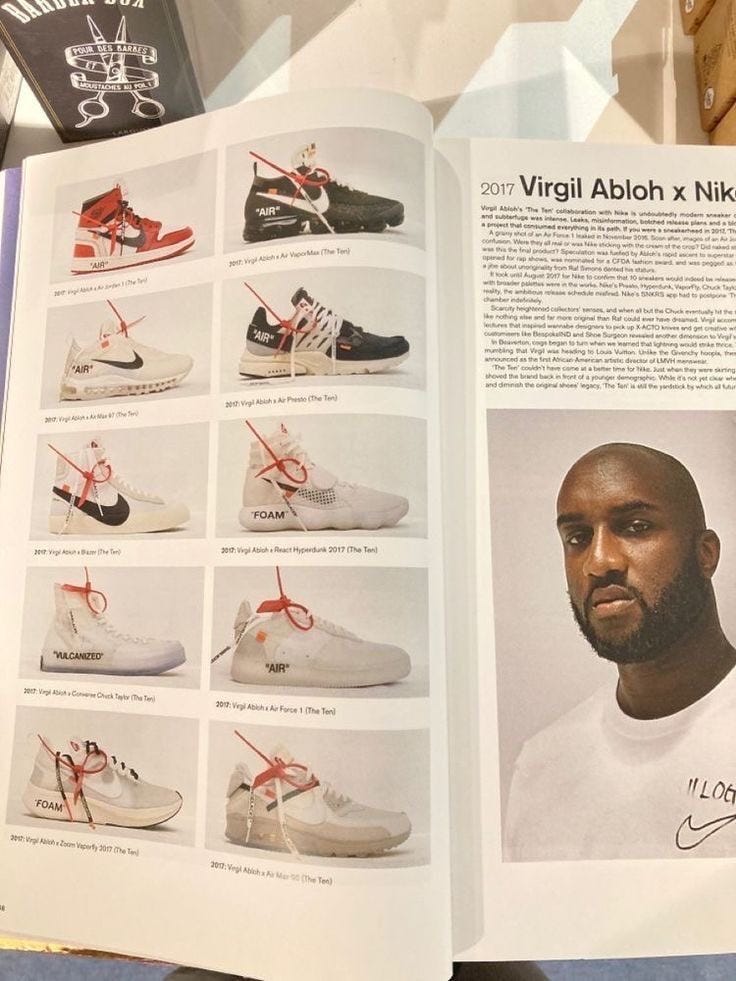
By then, Virgil had moved on from Pyrex. He launched Off-White in 2013 and built a brand whose quotation marks, diagonal stripes and industrial details became recognizable far beyond fashion. In 2017, he worked with Nike on “The Ten,” taking familiar shoes apart and letting people see their construction. The following year, he became the artistic director of Louis Vuitton menswear. His first show took place on a rainbow runway in Paris.
There was an openness to the way he moved between these projects. Music, clothing, furniture, architecture and art all seemed to belong to the same conversation. His career made the path between them visible to people who had been told, or had simply assumed, that they needed to choose one thing and stay there.
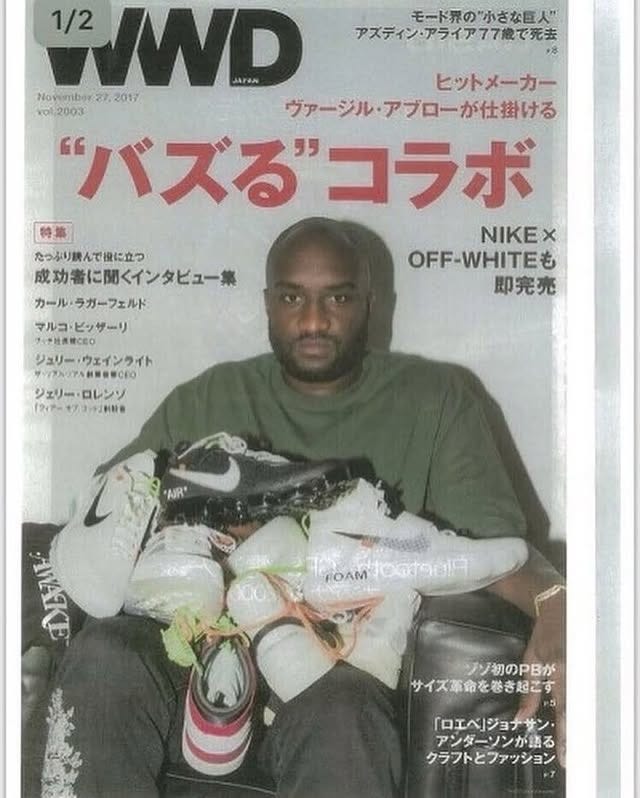
When I moved to New York, I was broke again. A friend working at the Off White store helped me buy pairs of the Off White Nike collaboration without waiting in line. I sold them at Round Two and spent the money getting to know the city: seeing things, eating well when I could, meeting people. It wasn’t a noble use of a valuable pair of shoes. It was what I needed at that point in my life.
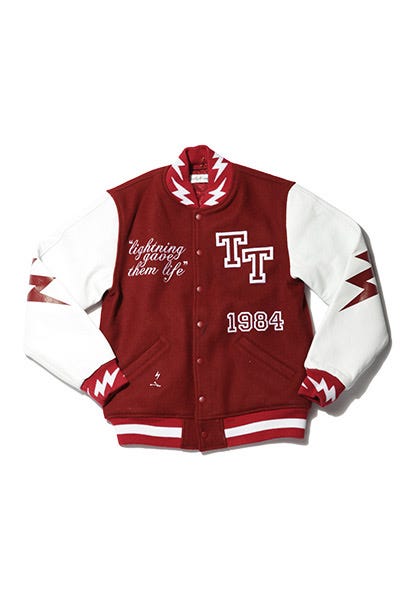
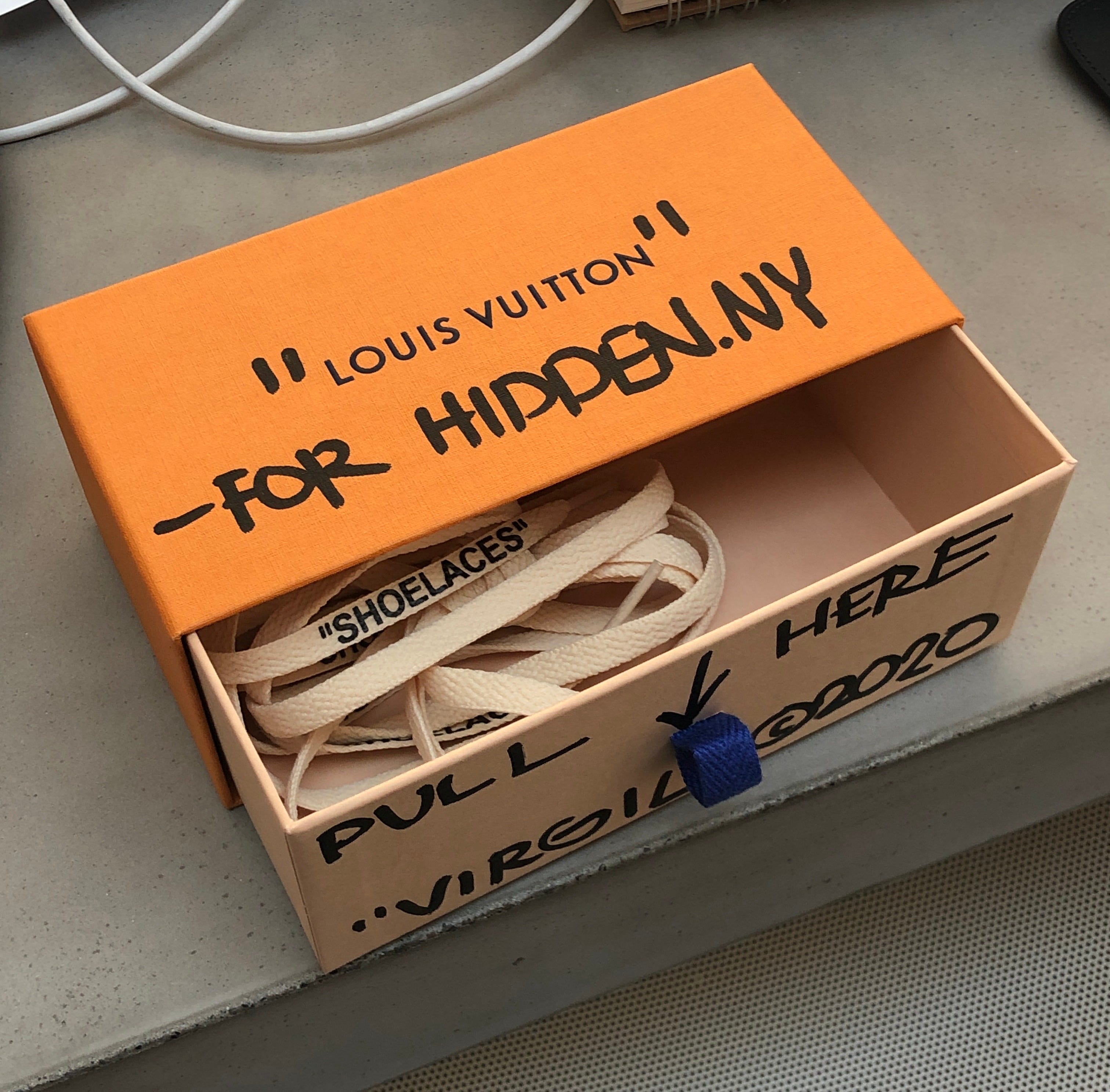
In late 2018 when I started Hidden, I was posting about Virgil often. Then one day, very early in the pages history, he followed me back. I couldn’t sleep. Over time his co sign changed the way people saw my page. Sometimes he sent me kind messages. We talked about Trilly & Truly, the project he had made with Lupe Fiasco, which I had loved long before we spoke. He sent me a Louis Vuitton box with shoelaces inside. I still don’t know why he chose to send it, but I remember how happy I was to receive it.
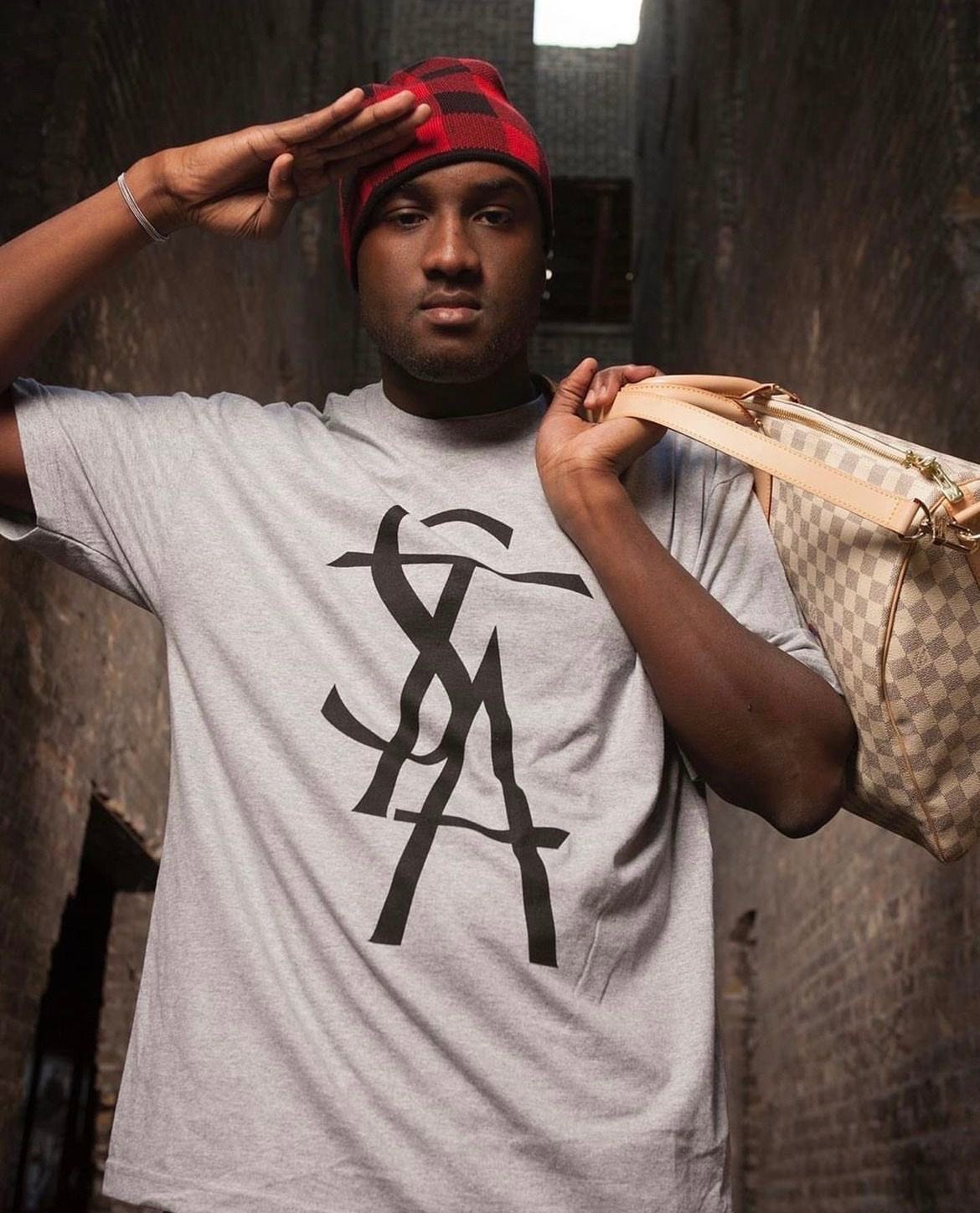
Then suddenly, he died, at 41. It’s one of 2 days I’ve taken off from posting ever, I had lost a hero. Fashion has felt a little duller to me since. I miss the possibility of seeing what he might do next, seeing his stories, listening to his talks and the generosity he showed me in the brief moments we spoke.
Looking back, I can see how much of his influence reached me before I ever even knew it. It came through a garment I couldn’t buy, an image I printed badly, money earned and spent, the most valuable co sign of my career and the confidence to leave home and keep making things. I suspect many people have their own version of that sequence. Today, on his birthday, I wanted to tell mine.
What a great read📖 LLV💐
Long live Virgil 🌱✨